
Acne Guide & Treatment
Acne is common in both teenagers and adults, but everyone’s experience is different. You may notice occasional breakouts, or you may be dealing with persistent, painful acne that leaves marks and affects how you feel about your skin.
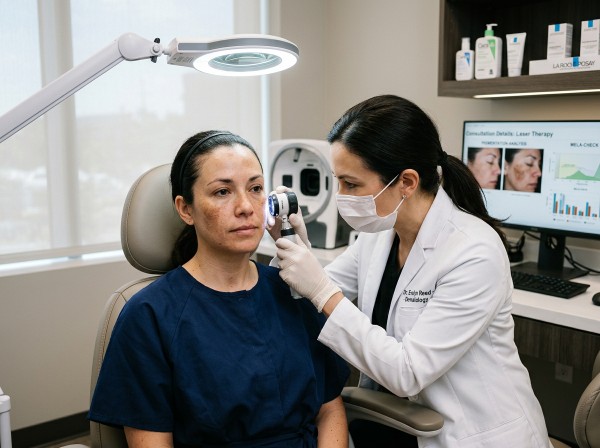
Understanding Acne & Our Core Principle
Acne develops when hair follicles become blocked with oil and dead skin cells. Inflammation also plays a role, leading to blackheads, whiteheads, pimples, pus-filled spots and deeper nodules. Some breakouts settle without lasting changes, while others can leave pigmentation or permanent scars.
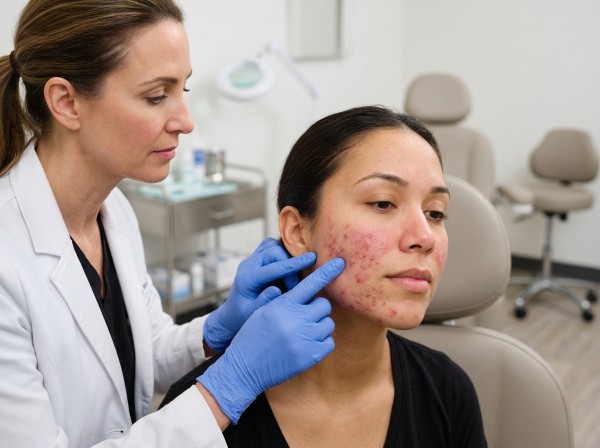
“Treat the acne you actually have, not just the pimples visible today.”
Dr. Yaksh Oza begins by understanding the full picture of your acne, your skin and how it has responded to treatment so far. Our approach focuses on controlling active breakouts while protecting skin barrier health and preventing long-term scarring.
Why Does Acne Develop?
Acne rarely has a single cause. It develops through a combination of increased oil production, blocked hair follicles, inflammation, hormonal influences and changes in the microorganisms that naturally live within the follicles.
Factors that may contribute to acne or make it worse include:
Adult Acne Note: In adults, particularly women, the pattern of acne and any accompanying symptoms may suggest a hormonal contribution. When there are relevant clinical signs, we assess whether further evaluation is needed.
Different Types of Acne
Understanding the type of acne you have helps us choose the most appropriate treatment. You may have one type or a combination of several.
Comedonal Acne
Mainly causes blackheads and whiteheads, which develop when pores become blocked with sebum and keratin.
Inflammatory Acne
Causes red, inflamed bumps (papules) and pus-filled spots (pustules) due to deeper follicular inflammation.
Nodular Acne
Causes deeper, painful lumps beneath the skin and carries a higher risk of permanent scarring if untreated.
Acne most commonly affects the face, but it can also develop on the chest, shoulders and back.
Our Diagnostic Approach
Most acne can be diagnosed by examining your skin and discussing your symptoms and medical history. Understanding what you have already tried and how your skin reacted is an important part of that assessment. During your consultation, we consider:
Diagnostic tests are recommended only when there is a clear clinical reason for them.
Evidence-Based Acne Treatment
Your treatment plan should suit your skin and the acne you are experiencing. We consider your acne type and severity, age, skin characteristics, previous response to treatment and risk of scarring before recommending an approach.
Topical Treatment
Treatments applied directly to the skin may include prescription retinoids, benzoyl peroxide, azelaic acid and other topical medications. A combination of treatments is often helpful because each medication addresses different processes involved in acne, such as blocked pores and inflammation.
Targeted pore & inflammation control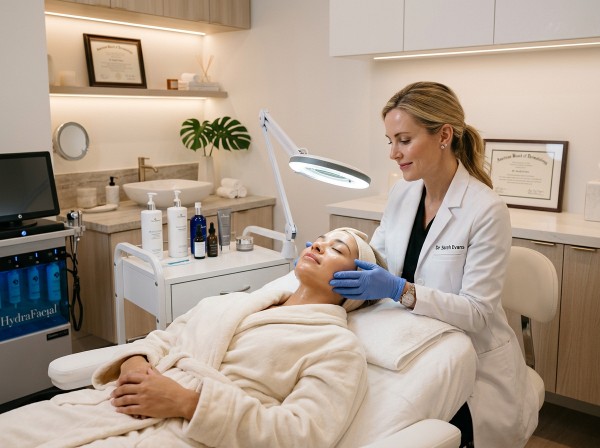
Oral Treatment
Moderate or severe inflammatory acne may need oral medication alongside an appropriate skincare and topical treatment plan. Oral antibiotics can be useful in selected cases. They are generally prescribed for a defined period and combined with appropriate topical treatment, with review to guide the next stage of care. They should not become an indefinite treatment.
Time-bound systemic management
Hormonal Acne Treatment
For suitable female patients, hormonal treatment may be an option when the clinical pattern suggests that hormones are contributing to breakouts. Before recommending it, we assess your medical history, individual circumstances and any contraindications that could make a treatment unsuitable.
Tailored female hormonal protocol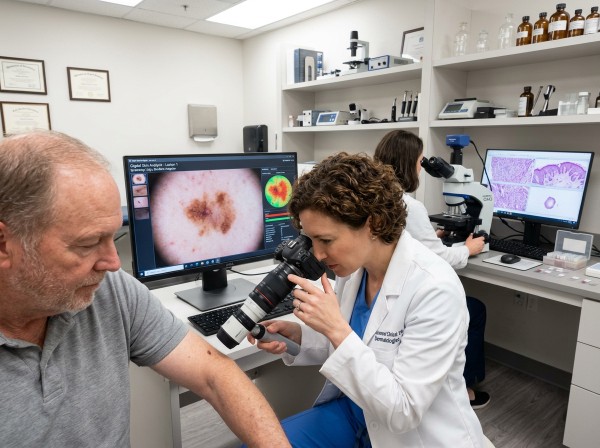
Isotretinoin
Oral isotretinoin may be considered for severe acne, acne with a significant risk of permanent scarring, or acne that has not improved adequately with conventional treatment. This treatment requires medical supervision, counselling and appropriate monitoring. If it is being considered, we will discuss what treatment involves and the precautions relevant to you.
Medical supervision required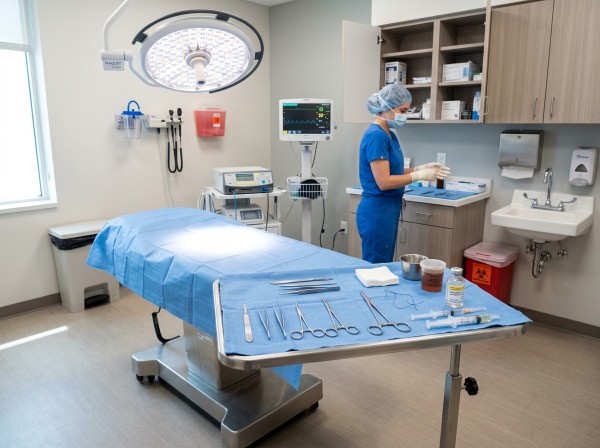
Acne Marks and Scars
The marks left after acne are not all the same, and they need different approaches. Flat brown pigmentation and persistent redness are different from changes in skin texture, such as depressed scars, narrow and deep ice-pick scars, or raised scars. Once active acne is appropriately controlled, we can assess any remaining marks or scars and create a separate management plan where needed.
Post-acne scar & mark restoration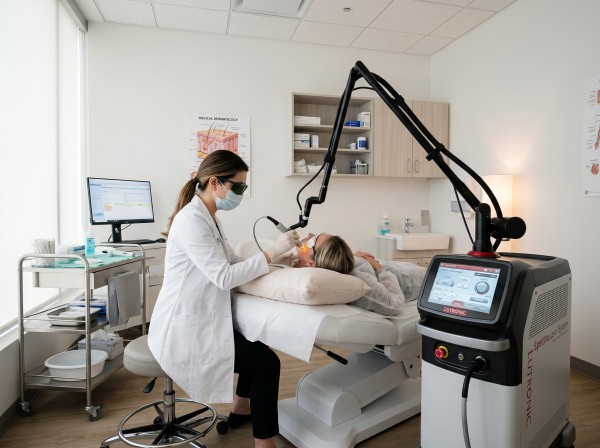
What Is Our Treatment Goal?
Treating acne involves more than helping today’s spots settle. We want to bring the condition under control and help you maintain that improvement. Our goals are to:
When Should You See a Dermatologist?
Consider a dermatology assessment if your acne is persistent, painful, suddenly getting worse, leaving pigmentation or scars, or not improving with over-the-counter treatments.
Seeking help early is particularly valuable if you are developing deep, inflamed lesions or beginning to notice scars. You do not need to wait for acne to become severe before having it assessed.
Frequently Asked Questions
Is acne caused by poor hygiene?
No. Acne does not mean your skin is dirty or that you are not washing it properly. Excessive washing and scrubbing can irritate your skin and worsen inflammation.
Can hormonal acne be treated?
Yes. If hormonal factors are contributing to your acne, your treatment plan can be adapted to address them. The right approach depends on an assessment of your symptoms, medical history and suitability for treatment.
Should I squeeze pimples?
It is best to avoid squeezing or picking at acne. This can push inflammation deeper into the skin, delay healing, and significantly increase the risk of pigmentation and scarring.
How soon will acne improve?
Improvement takes time and usually happens gradually over several weeks. The timeline depends on the severity of your acne and the treatment prescribed. Following your plan consistently is more helpful than frequently switching products.
Can acne come back after treatment?
Yes, acne can recur due to ongoing hormonal or biological factors. For this reason, a gentle maintenance treatment plan may be recommended to help keep it under control over the longer term.
Can acne scars be treated?
Many acne scars can be significantly improved. The most suitable treatment depends on the type and depth of the scars, your skin characteristics and whether you still have active acne.
Start With the Right Diagnosis
If you have been trying product after product without lasting improvement, it can be difficult to know what to do next. A dermatology consultation can help you understand the type of acne you have, identify contributing factors and establish a clear, evidence-based treatment plan. The focus is on controlling active acne, protecting your skin from future scarring and supporting long-term management.
Book an Acne Consultation