
Melasma Treatment: Causes, Assessment & Long-Term Care
Melasma causes brown or grey-brown patches on the skin, most often across the cheeks, forehead, upper lip, nose and jawline. It develops over time and is particularly common in women and people whose skin pigments easily.
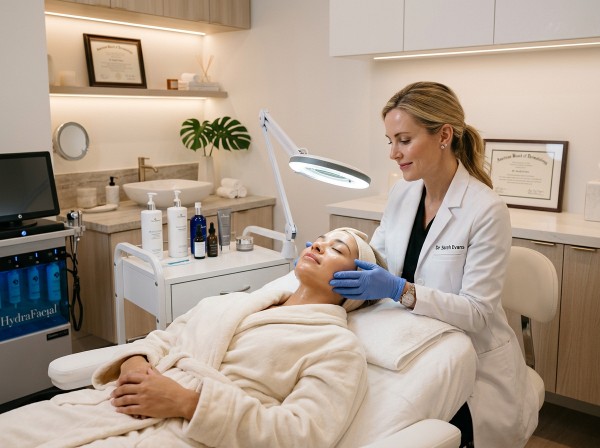
"If you have noticed these patches fading and then returning, you may understandably feel frustrated. This recurring pattern is a characteristic of melasma. Treatment needs to account for biological influences, because an overly aggressive approach can sometimes make pigmentation worse."
— Dr. Yaksh Oza focuses on gradual improvement, careful treatment selection, and a long-term plan to help maintain your results.
What Causes Melasma?
Melasma rarely has a single cause. Several factors may contribute to its development or make existing pigmentation more noticeable:
Key Clinical Note: Sunlight is an important aggravating factor. Protecting your skin from light exposure is therefore an essential part of treatment, alongside any prescribed medication or procedure.
How Does Melasma Appear?
Melasma usually appears as patches of pigmentation in a symmetrical pattern, affecting similar areas on both sides of the face.
Common Distribution Areas
You may notice patches across:
- The cheeks and forehead
- Around the upper lip and nose
- Along the jawline
Pigment Spectrum & Diagnosis
Their colour can range from brown to grey-brown depending on pigment depth.
Important: Other pigmentation conditions can look similar. Before starting treatment, it is important to establish whether the changes you are seeing are melasma or another cause of facial pigmentation.
How We Assess Pigmentation
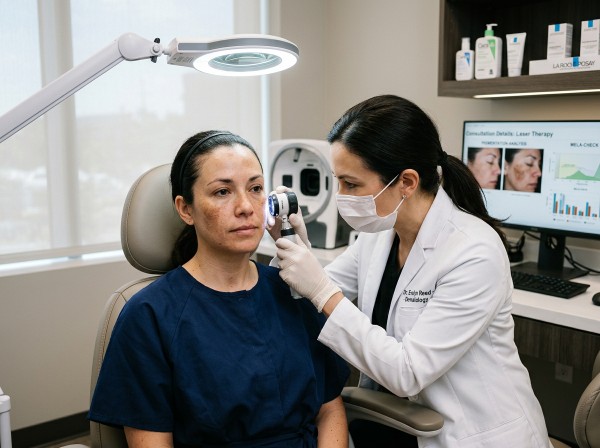
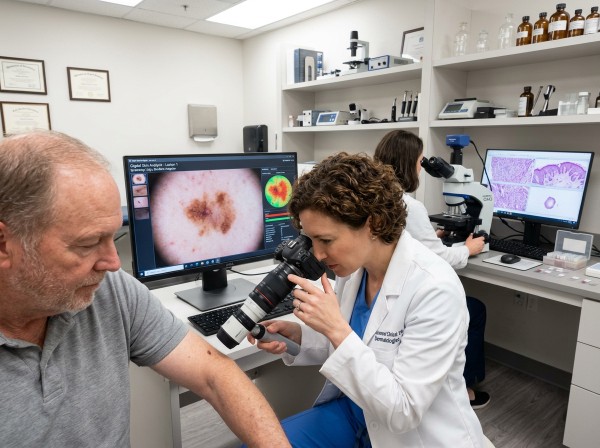
Your assessment begins with a close examination of your skin and a discussion about when the pigmentation appeared, how it has changed and what seems to make it better or worse. We consider its distribution, colour, duration and behaviour, along with:
This helps us distinguish melasma from other causes of pigmentation and create a treatment plan suited to your skin.
Evidence-Based Melasma Management
Melasma usually responds best to a combination of pigment-controlling treatment, consistent protection from light and, where appropriate, carefully selected procedures.
Photoprotection
Protection from light is the foundation of melasma treatment. An appropriate broad-spectrum sunscreen, together with habits such as seeking shade and wearing a protective hat, helps reduce continued stimulation of pigmentation. Visible-light exposure also needs consideration when choosing suitable protection.
Important even after pigmentation improves
Prescription Topical Treatment
Prescription creams and other topical treatments can help regulate melanin production and the transfer of pigment within the skin. Hydroquinone-based treatment may be appropriate for selected patients. Other options include azelaic acid, retinoids and other treatments that help regulate pigmentation.
Tailored to what your skin can tolerate
Chemical Peels
Selected superficial chemical peels may help improve pigmentation when used alongside medical treatment. However, peels are not suitable for everyone with melasma. We consider your skin type, sensitivity, previous treatment response and risk of further pigmentation before recommending them.
Selected patients only
Tranexamic Acid
Tranexamic acid may be considered for selected patients through topical, oral or other approaches, depending on individual suitability and medical risk. Oral tranexamic acid requires a medical assessment and is not appropriate for everyone. The decision to use it should follow a careful review of your medical history and relevant risk factors.
Requires prior medical assessment
Lasers and Energy-Based Procedures
Laser and light-based treatments may have a role in carefully selected cases, but they are not a universal solution for melasma. Inappropriate or overly aggressive treatment can lead to rebound pigmentation or postinflammatory hyperpigmentation. Before recommending a procedure, we assess whether its potential benefits justify the risks for your skin.
Carefully selected cases only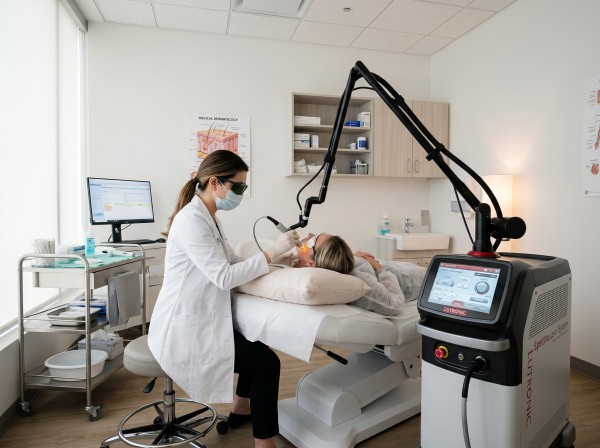
Why Does Melasma Return?
Melasma has a strong tendency to recur, even after a good response to treatment. Sunlight, visible light, hormonal influences and heat can stimulate pigmentation again. Pigmentation may also return after treatment is stopped.
For this reason, management often involves two phases:
Correction Phase
Treatment focuses on reducing existing pigmentation gradually while keeping irritation to a minimum.
Maintenance Phase
Ongoing care helps protect the improvement and reduce the likelihood of recurrence.
Understanding both phases helps set realistic expectations and makes long-term care easier to follow.
Our Treatment Goals
We aim for steady, controlled improvement while keeping your skin comfortable and limiting irritation. The goals of treatment are to:
Frequently Asked Questions
Is melasma permanently curable?
Melasma is generally considered a chronic condition with a tendency to return. Significant improvement is often possible, but ongoing photoprotection and maintenance care remain important.
Is sunscreen really necessary?
Yes. Light exposure is an important driver of melasma. Sunscreen and other protective measures are core parts of treatment and help maintain improvement.
Are chemical peels useful?
They can be helpful for selected patients. They work best as part of a comprehensive treatment plan that also addresses pigment control and photoprotection.
Can lasers cure melasma?
No laser treatment should be offered as a guaranteed cure. Some patients may benefit from carefully selected procedures, but unsuitable treatment can worsen pigmentation.
Can melasma develop during pregnancy?
Yes. Hormonal changes during pregnancy can contribute to the development of melasma. Pregnancy is also relevant when assessing which treatment options are suitable.
How long does treatment take?
Improvement is gradual. The time needed depends on the severity of the pigmentation, your skin type, ongoing triggers and how your skin responds to treatment.
Treat Pigmentation Without Fighting Your Skin
Living with recurring pigmentation can be frustrating, especially if you have already tried several treatments. A careful assessment can help you understand what is happening and which options are appropriate for your skin. Successful melasma management takes patience, an accurate diagnosis and a treatment plan that accounts for how pigmentation develops and returns.
Book a Pigmentation Consultation